Wildlife photography on safari is both exhilarating and challenging. Here are our top tips for capturing stunning images based on years of experience in the field.
Equipment matters. A DSLR or mirrorless camera with fast autofocus is essential. For lenses, a 200-400mm zoom covers most situations while a 70-200mm is useful for landscapes and close encounters. Bring extra batteries since cold mornings drain them faster, multiple memory cards, and a beanbag for stability when shooting from a vehicle.
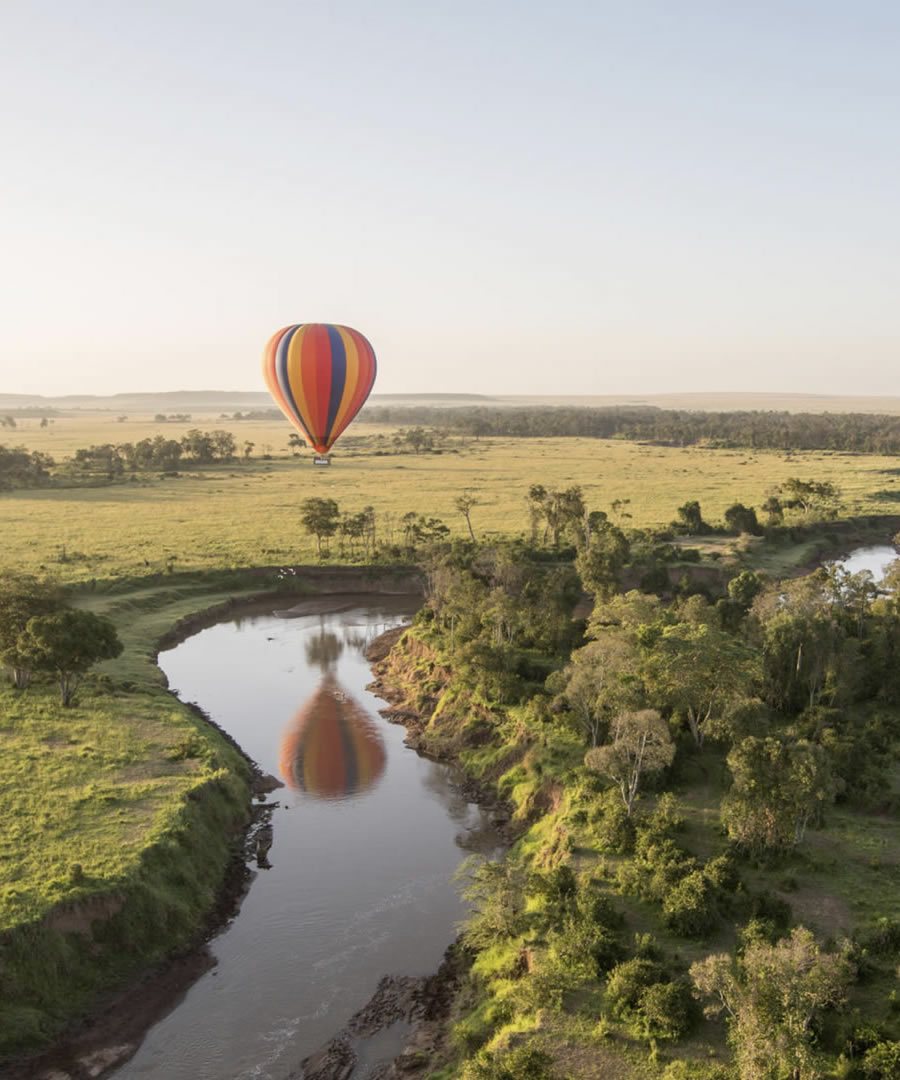
Timing is everything. The best light occurs during the first and last two hours of daylight. This golden hour creates warm, dramatic images that make wildlife photographs truly special. Midday light is harsh and creates unflattering shadows, so use this time for rest or cultural visits.
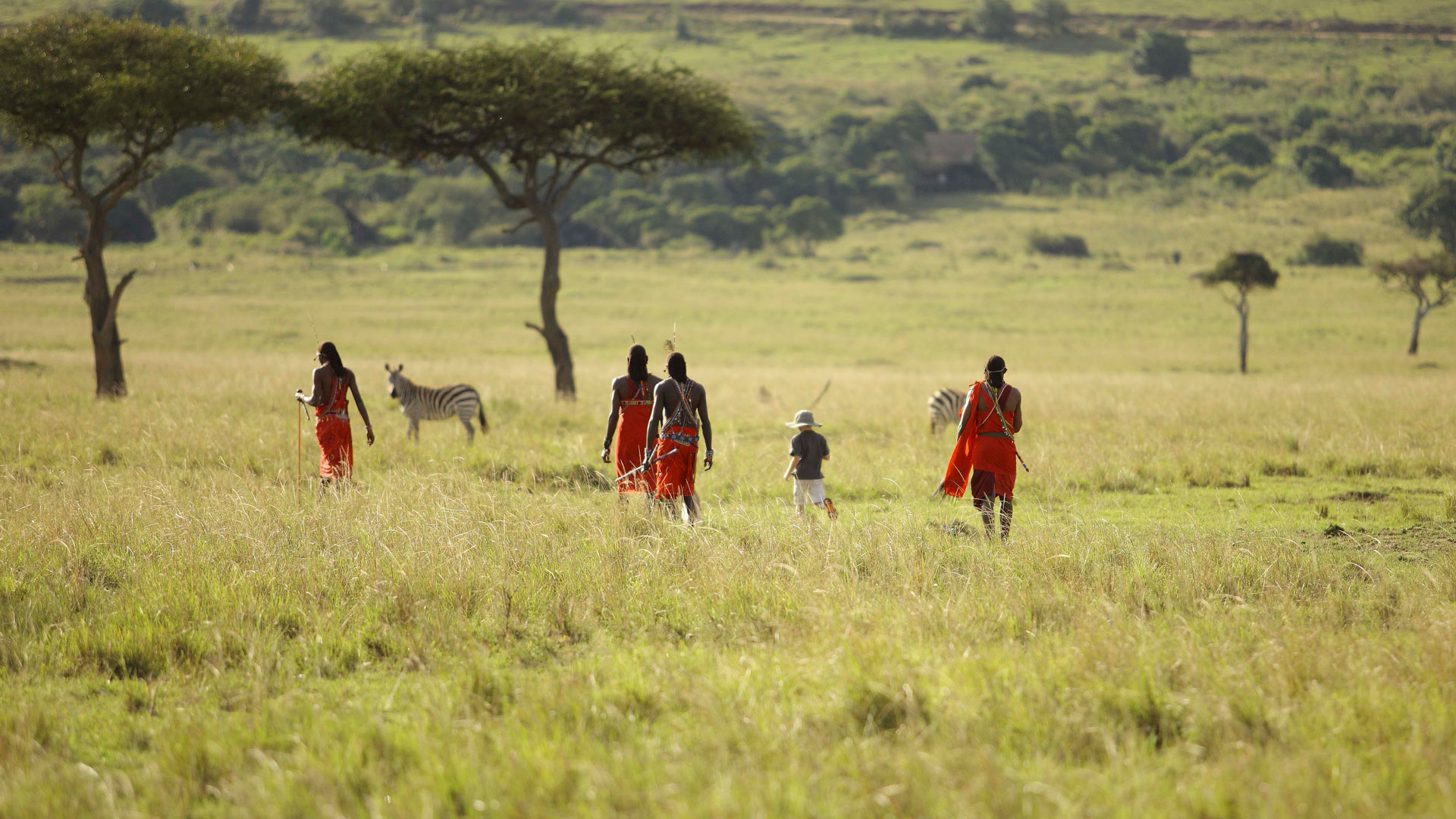
Composition makes the difference between a snapshot and a photograph. Get eye-level with your subject when possible as it creates a more intimate connection. Leave space in the frame for the animal to move into. Include environment for context since a lion in a landscape tells a bigger story than a tight portrait. Look for interactions and behavior, not just portraits, as these images capture the essence of the wild.
Camera settings should be adjusted for wildlife. Use aperture priority mode at f/5.6 to f/8 for blurred backgrounds that isolate your subject. Use a fast shutter speed of 1/1000 or faster for action shots. Set auto ISO with a maximum limit to maintain image quality. Use continuous autofocus for moving subjects.
Ethics must always come first. Never bait or disturb wildlife. Respect park rules about vehicle distance. Do not block other vehicles for a shot. Remember that the experience matters more than the photo. A missed shot is better than a disturbed animal.
Bush and Boujee Safaris guides are experienced in helping guests capture incredible wildlife photographs. We know the best positions, the optimal times, and the techniques that produce stunning results.