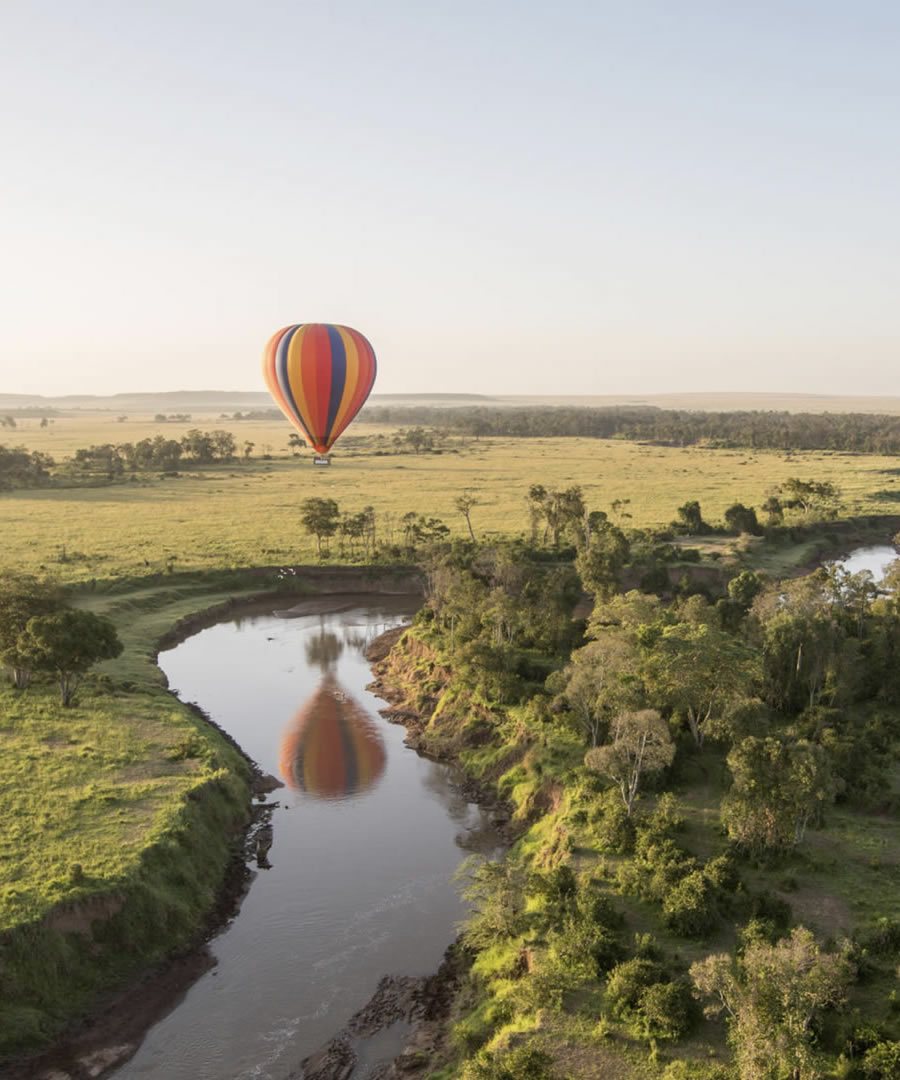
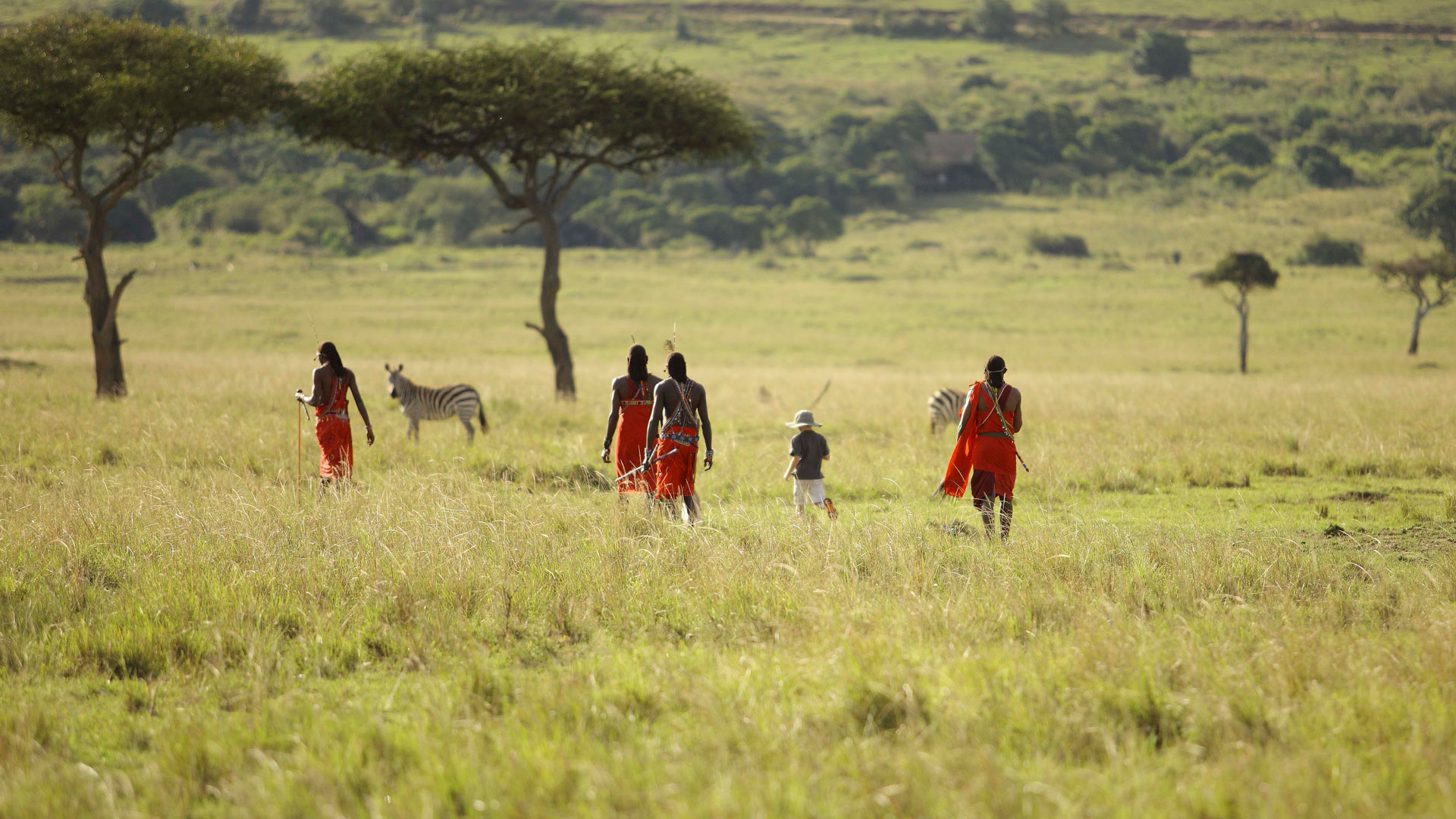
The Maasai Mara is a year-round destination, but the best time to visit depends on what you want to see and experience. As a proudly Kenyan safari company, we have spent years studying the Mara's rhythms, and here is our expert guide to timing your visit.
July to October is the most popular time to visit, and for good reason. The Great Migration, one of nature's greatest spectacles, sees millions of wildebeest, zebras, and gazelles cross from the Serengeti into the Maasai Mara. During this period, you can expect dramatic river crossings at the Mara and Talek Rivers, large predator concentrations following the herds, dry and comfortable weather with clear skies, and higher lodge prices due to peak demand. For the best river crossing experiences without the crowds, consider visiting the northern Mara or the private conservancies bordering the reserve.
January to March is calving season in the southern Serengeti and Ndutu area. Over 500,000 wildebeest are born during this period, attracting predators in large numbers. This is an excellent time for intense predator-prey interactions, fewer tourists than the peak season, green and lush landscapes, and incredible photographic opportunities.
April to June transforms the Mara into a lush green paradise. While wildlife viewing can be more challenging due to thick vegetation, this season offers unique advantages including dramatic skyscapes and golden light, fewer tourists and lower prices, abundant birdlife including migratory species, and the Mara at its most photogenic.
For first-time visitors, we recommend the July to October period for the Great Migration. For photographers and returning visitors, the green season offers a different and equally rewarding experience. Book your Maasai Mara safari with Bush and Boujee Safaris for expert guidance on timing your visit perfectly.